
5 min read
Living in your house during a remodel
Dust control, phasing, a working kitchen, and the honest question of when you should just move out.
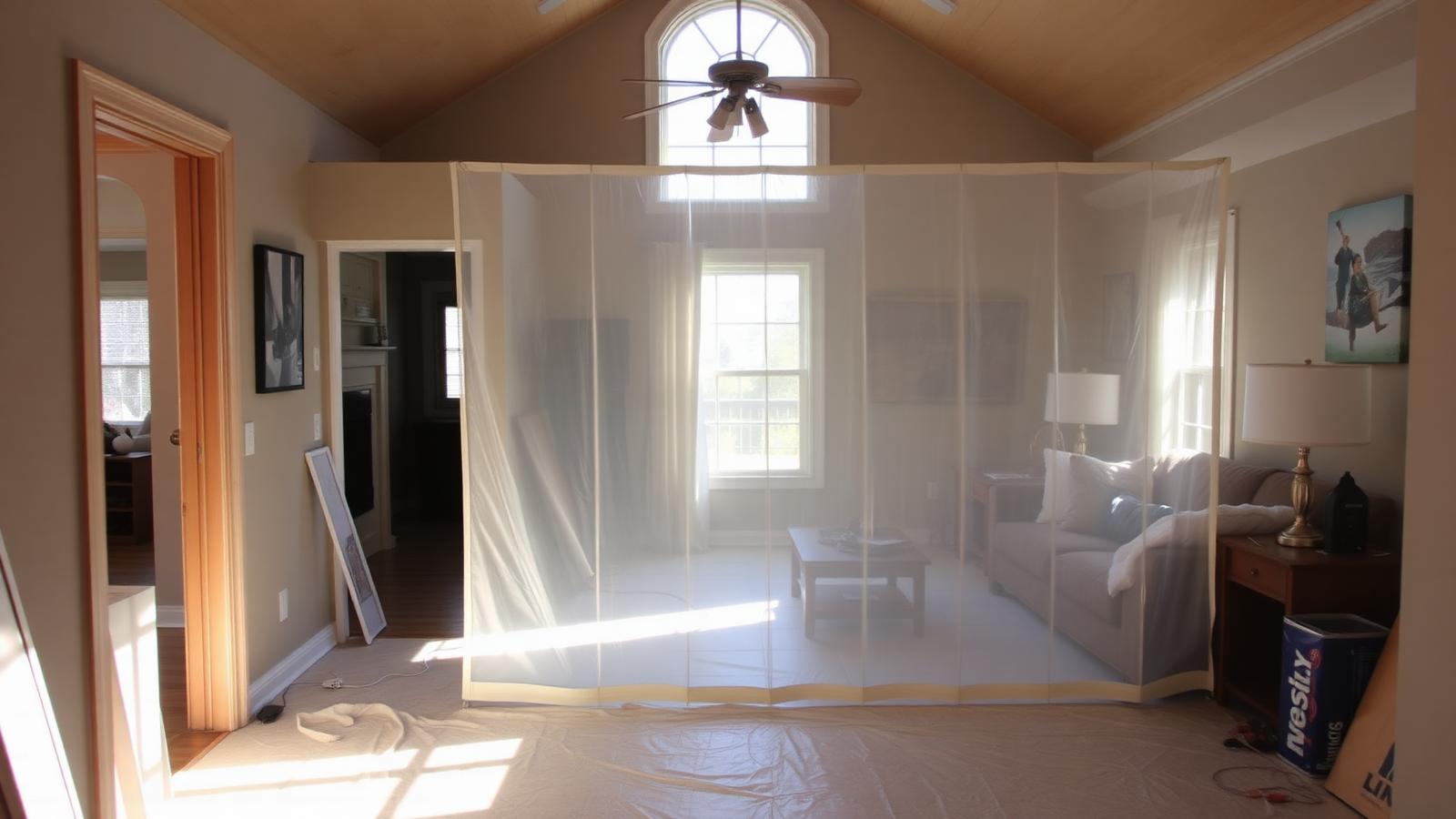
Dust control is a system, not a drop cloth
Sealed barriers with zippered access, negative air where we are cutting, walk-off mats, and protected floor paths from the door to the work area. Done properly you can keep a home livable through most of a project; done casually, fine dust ends up in every closet in the house.
Phasing buys you a usable home
On a whole-home remodel we sequence so at least one bathroom and one sleeping area stay in service. A temporary kitchen — sink, fridge, microwave, induction burner, in the garage or dining room — is worth setting up on any project longer than about six weeks.
When staying is a false economy
If the scope pulls the only kitchen and the only bathroom at once, or if the work involves the whole floor you sleep on, staying slows the crew and stretches the schedule. A longer schedule usually costs more than the rental you avoided. We will say so up front if we think moving out is the cheaper answer.
Set the ground rules on day one
Work hours, which door the crew uses, where materials get staged, pets, kids, and how you reach the lead. Agreeing on that before mobilization prevents most of the friction people remember from bad remodels.